
The Benefits of Using AI Scribes in Medical Practices
The Benefits of Using AI Scribes in Medical Practices
The advent of artificial intelligence (AI) has revolutionised many industries, and healthcare is no different. AI scribes are an innovative solution that alleviates the administrative burden on medical professionals, enabling them to focus on patient care. These intelligent tools promise to transform the landscape of medical documentation and patient interaction. This article explores the numerous advantages that AI scribes bring to medical practices. Keep reading to discover how this technology is shaping the future of healthcare.
The Role of AI Scribes in Modern Medical Practices
The implementation of AI scribes in healthcare settings is a testament to the growing need for efficiency and accuracy in medical documentation. These sophisticated systems are engineered to understand and process the spoken word, converting doctor-patient conversations into structured clinical notes. By doing so, they capture patient encounters comprehensively without manual transcription.
As a cornerstone of healthcare digitisation, AI scribes seamlessly integrate with existing Electronic Health Record (EHR) systems. Their advanced natural language processing capabilities ensure that the context and nuances of medical dialogue are retained. This translates into high-quality data being entered into patients’ records, which is indispensable for informed decision-making.
Moreover, an AI scribe allows physicians to redirect their attention from the screen to the patient. Reducing screen time not only enhances the quality of care but also helps rebuild the physician-patient relationship that modern documentation requirements have strained.
Employing a Medical AI Scribe can also reduce the incidence of burnout among healthcare professionals. Spending less time on paperwork after hours improves work-life balance, helping healthcare providers maintain their well-being and job satisfaction.
Streamlining Workflow Efficiency for Healthcare Professionals
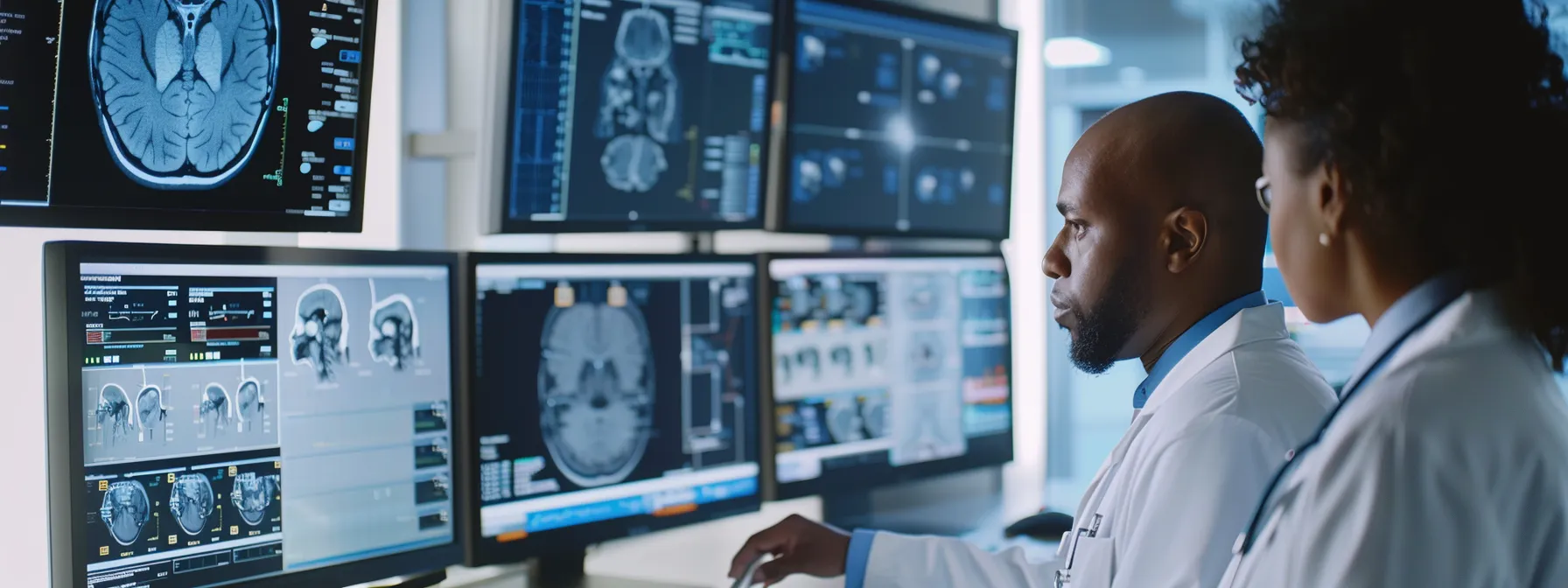
The integration of AI scribes into the medical workflow has been nothing short of transformative. By freeing healthcare professionals from manual note-taking, these systems enable a more seamless patient encounter. This process streamlining enables clinicians to see more patients or spend more time with each patient, ultimately enhancing care delivery.
The automation of administrative tasks extends beyond just documentation. AI scribes can facilitate appointment scheduling, prescription refills, and test result management, further reducing the workload for physicians and support staff. Such improvements in efficiency can have a domino effect, enhancing every aspect of the healthcare delivery process.
By minimising downtime between appointments and reducing administrative delays, AI scribes improve patient throughput. This efficiency not only supports patient care but also helps medical facilities address the increasing demand for services amid shortages of healthcare professionals.
Furthermore, the training period for medical staff to become proficient with an AI scribe is considerably shorter than the time required to learn complex EHR systems. This ease of use significantly reduces the overall time and financial investment required for training, making it a cost-effective tool for practices of all sizes.
Addressing Privacy and Security in the Use of AI Scribe Software

Despite the many benefits of AI scribes, concerns about privacy and security are paramount in any discussion of technology use in healthcare. It is critical that AI scribe software complies with regulations such as the Health Insurance Portability and Accountability Act (HIPAA) to protect sensitive patient information.
Developers of AI scribe technology are acutely aware of these concerns and typically incorporate robust security measures. Encryption, secure data transmission, and stringent access controls are fundamental to ensuring patient data remains confidential and secure within these systems.
Moreover, AI scribes must be designed with safeguards against potential cyber threats. Continuous monitoring and regular software updates help defend against vulnerabilities, providing peace of mind for healthcare providers and patients.
Maintaining privacy and security, however, is a partnership between technology providers and medical practices. While AI scribes offer advanced security features, it remains essential for healthcare professionals to adhere to protocols and training that support the integrity of these systems.
The integration of AI scribes into medical practices offers an array of substantial benefits, from improving documentation accuracy to enhancing patient care. These innovative tools are not only streamlining healthcare workflows but are also reshaping the very nature of doctor-patient interactions for the better. As technology continues to advance, AI’s potential to further revolutionize the medical field is immense, with benefits that extend across the entire spectrum of care delivery.